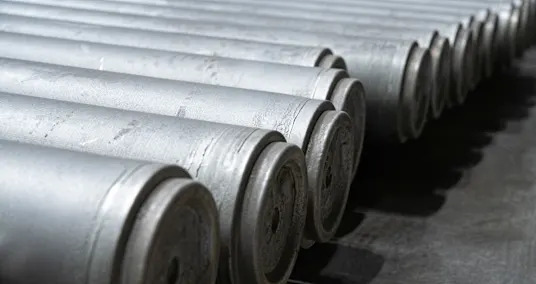
Fears of global aluminium shortages that could affect the production of clean energy technologies intensified after Iran struck two major Gulf aluminium producers, sending prices to a four-year high. The Middle East accounts for 9% of the world’s production of aluminum, which is essential to a wide range of industries from transportation, construction, and packaging, as well as the manufacture of solar panels, electrical transmission systems, wind turbines, and EVs.
Export shipments to the US and Europe had already come to a halt because of the effective closure of the Strait of Hormuz, and Morgan Stanley economists singled out aluminium as carrying a high level of risk across the value chain. Andy Farida, an aluminium analyst at Fastmarkets, told Semafor that high prices would be passed on to end-users, ultimately causing demand destruction. “A prolonged shutdown (with little to no alternative supplies other than Russia and China) could cripple the supply of aluminium to support the production of clean and green technology,” he said, adding that relief could come “if governments allow some sanctioned Russian and Chinese aluminium to be imported.”

latest_posts




 Instructions to Pick the Ideal SUV Size for Seniors
- Nature's Best: A Manual for Beautiful Train Rides
- Effectiveness Uncovered: A Survey of \Smoothing out Your Errands\ Efficiency Application
- Watch India launch advanced military satellite on rocket's 1st flight since May 2025 failure
- The Force of Systems administration: Individual Examples of overcoming adversity
- Relish the World: Notable Caf\u00e9s You Really want to Attempt
- ‘Trip of suffering’: Gaza evacuee details 24-hour journey to South Africa
- NASA is sending astronauts back to the moon. Can you see the Artemis 4 landing sites from Earth?
- These HGTV stars made a pledge to keep their kids off smartphones. Here's how it's going.